Paintless Dent Repair (PDR)
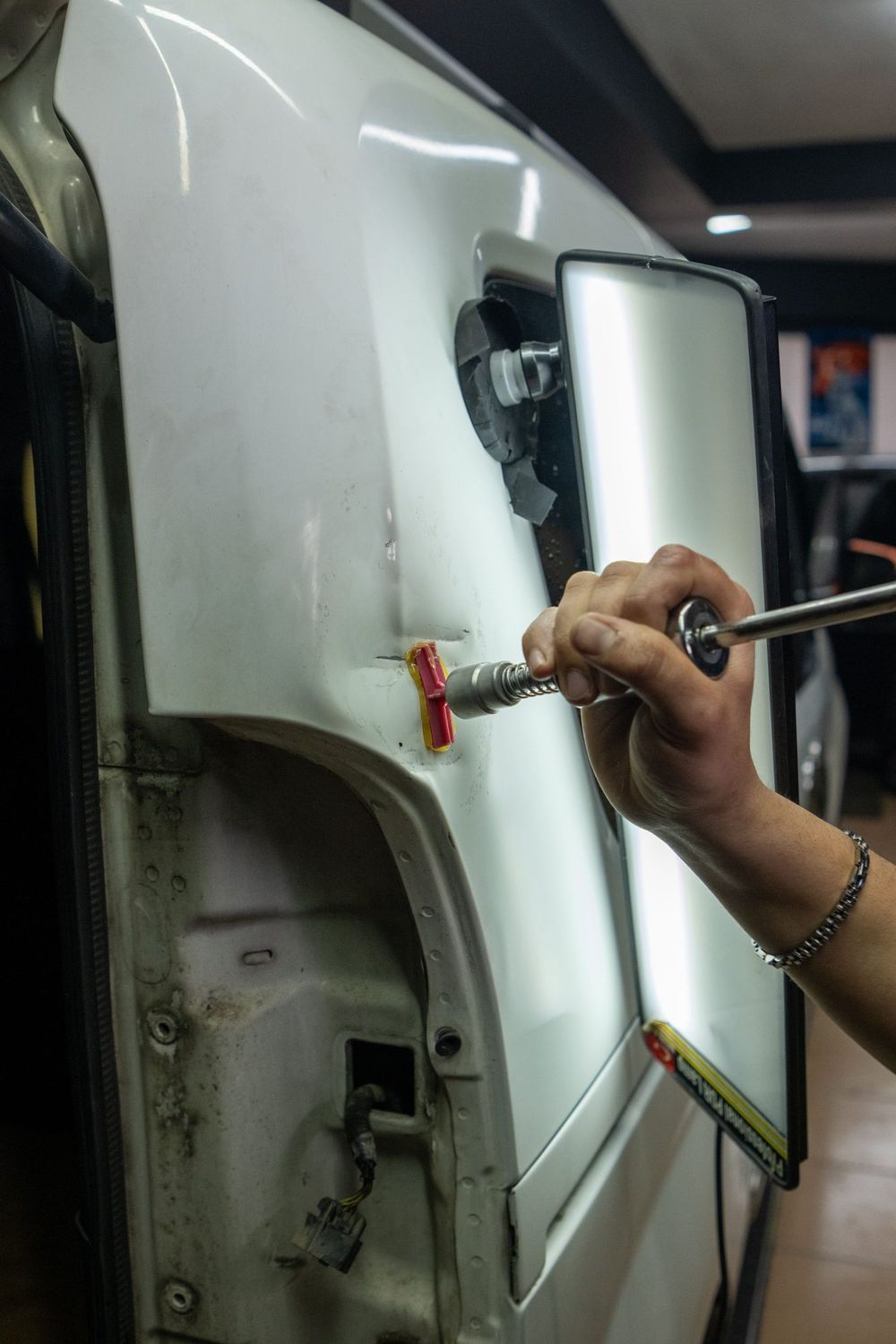
Dents worked out from behind the panel using rods and glue-pull tabs. Factory paint stays intact, with no filler, primer or refinishing involved.
↗
Paintless dent repair works the metal back to shape from behind the panel, so your original factory finish stays exactly where it is. No filler, no repaint, no color match to worry about.
PDR uses specialized rods and tools to massage a dent out from the back side of the panel, plus glue-pull tabs on the outside where there is no access behind. The paint never comes off.
The reason PDR matters is that factory paint is better than anything applied afterward. It was baked onto bare metal in a controlled plant environment before the car was assembled. Any refinish, no matter how well done, is a repair. Keeping the original finish keeps the panel original, which matters for resale and for anyone checking a vehicle history.
It is also faster and costs less. There is no sanding, priming, spraying, curing or blending, so a door ding that would take days as a refinish job can often be handled far more quickly.
The trade-off is that PDR has limits. It works when the paint is unbroken and the metal has not been stretched past the point where it will return to shape. Sharp creases, torn metal, dents on a panel edge, and damage where the paint has already cracked are conventional repair jobs.
We tell you honestly which one your panel needs. Forcing PDR on a dent that is beyond it produces a panel that looks almost right, which is worse than doing it properly the first time.
Some of this is paintless, some is conventional. The damage decides, not the price list.
Dents worked out from behind the panel using rods and glue-pull tabs. Factory paint stays intact, with no filler, primer or refinishing involved.
↗The small round dents from car doors and shopping carts. These are the classic PDR case and usually come out cleanly with no repaint.
↗Hail leaves dozens of shallow dents across the hood, roof and trunk. PDR is the standard repair, and it is almost always the route insurance carriers prefer.
↗Dents that run along or across a body line are harder because the panel is stiffer there. Some come out with patient PDR work, some do not.
↗When metal is stretched, torn or the paint is already cracked, the panel is repaired conventionally and refinished with a proper color match and blend.
↗Aluminum hoods and modern high-strength steel behave differently under PDR tools and need different technique. Both are handled, not guessed at.
↗PDR is the right call when the paint is unbroken, the metal is not stretched, and there is access behind the panel or a workable surface for glue pulls. It is the wrong call when the paint has cracked, the metal has torn, the dent sits on a panel edge, or the damage is deep and sharp. We look at the panel and tell you which it is before quoting, rather than starting one and switching to the other.
Text a photo of the damage with light coming across it at an angle, which shows depth far better than a straight-on shot.
We inspect the panel under proper lighting to judge depth, stretch and paint condition, and check what access exists behind it.
You get a straight answer on which method the panel actually needs, and what each would involve, before any work starts.
The dent is worked out and the panel is checked under reflected light from multiple angles to confirm the surface reads flat.
Looking for paintless dent repair near North Haven, CT? Exclusive Auto Lab removes door dings, parking lot dents, hail damage, creases and body line dents using PDR where the panel allows, and conventional repair with refinishing where it does not.
PDR keeps your original factory paint, which is better than any refinish and helps protect resale value. Text a photo of the dent and we will tell you which method it needs.
Serving North Haven, New Haven, Hamden, Wallingford, Cheshire, Branford, East Haven, West Haven, Meriden and surrounding Connecticut communities.
PDR is a technique for pushing a dent back out from behind the panel using specialized rods, or pulling it from the outside with glue tabs. No sanding, filler, primer or paint is involved, so the factory finish stays exactly as it was.
Usually yes, and it is faster. There is no prep, spray, cure or blend stage, so the labor is a fraction of a conventional repair. The savings are largest on multiple small dents like hail damage.
No. PDR requires the paint to be unbroken and the metal not stretched past its ability to return to shape. Cracked paint, torn metal, very sharp creases and dents right on a panel edge need conventional repair and refinishing.
Done correctly on a suitable dent, no. The whole point is that the paint is never touched. That said, if the paint is already cracked or has been previously repainted and is poorly bonded, working the metal can lift it. We check paint condition first.
Hail is typically handled as a comprehensive claim rather than collision, though it depends on your policy. Carriers generally prefer PDR for hail because it costs less than refinishing multiple panels. We document the damage and work the claim with you.
A single door ding is often same-day. Multiple dents, hail damage across several panels, or anything needing conventional repair and refinishing takes longer. We give you a timeline after seeing the vehicle.
If the paint is intact, a dent is cosmetic and there is no urgency beyond appearance and resale. If the paint has cracked or chipped, bare metal is exposed, and Connecticut road salt will start rust there within a season or two. Cracked paint moves it from cosmetic to worth handling.
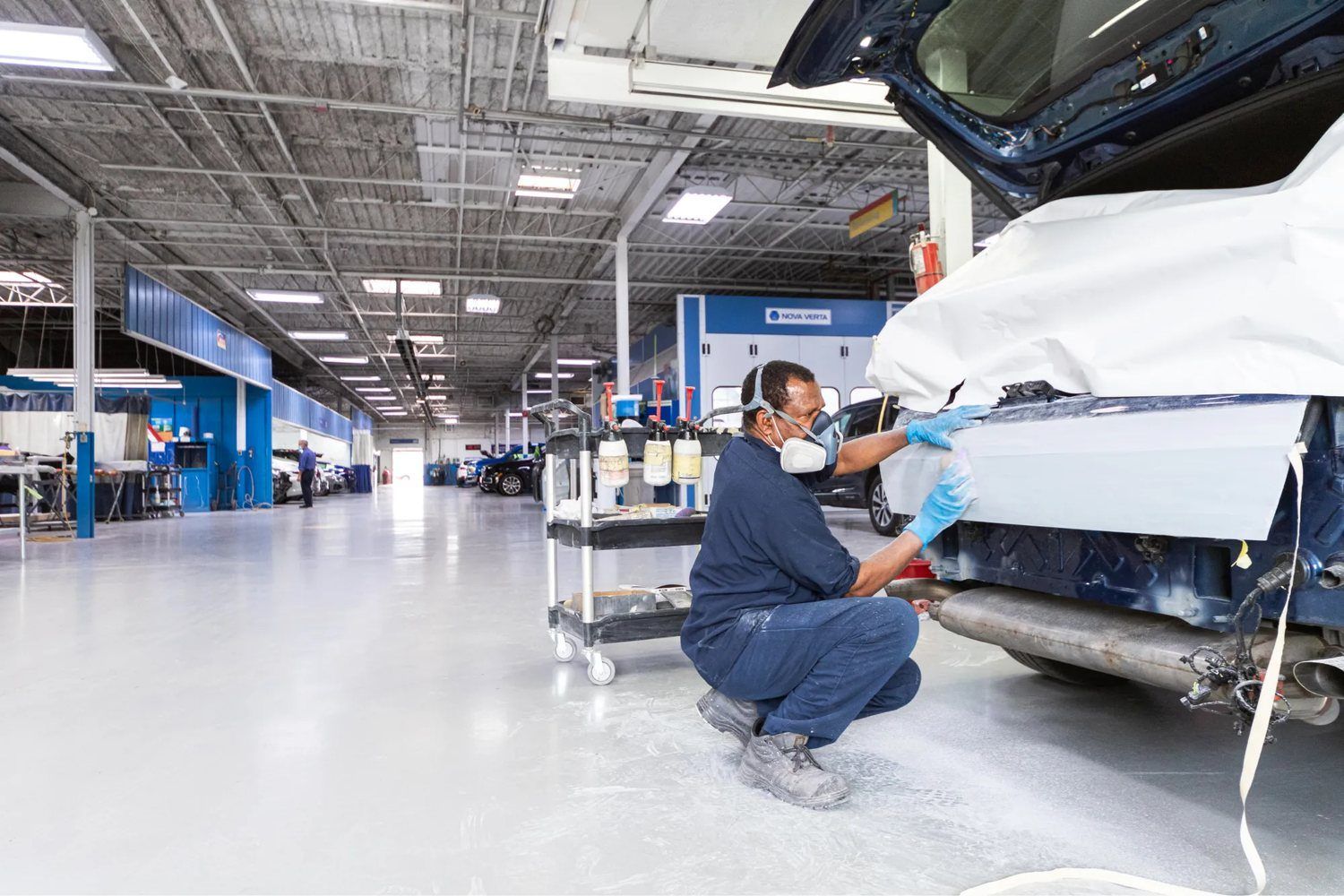
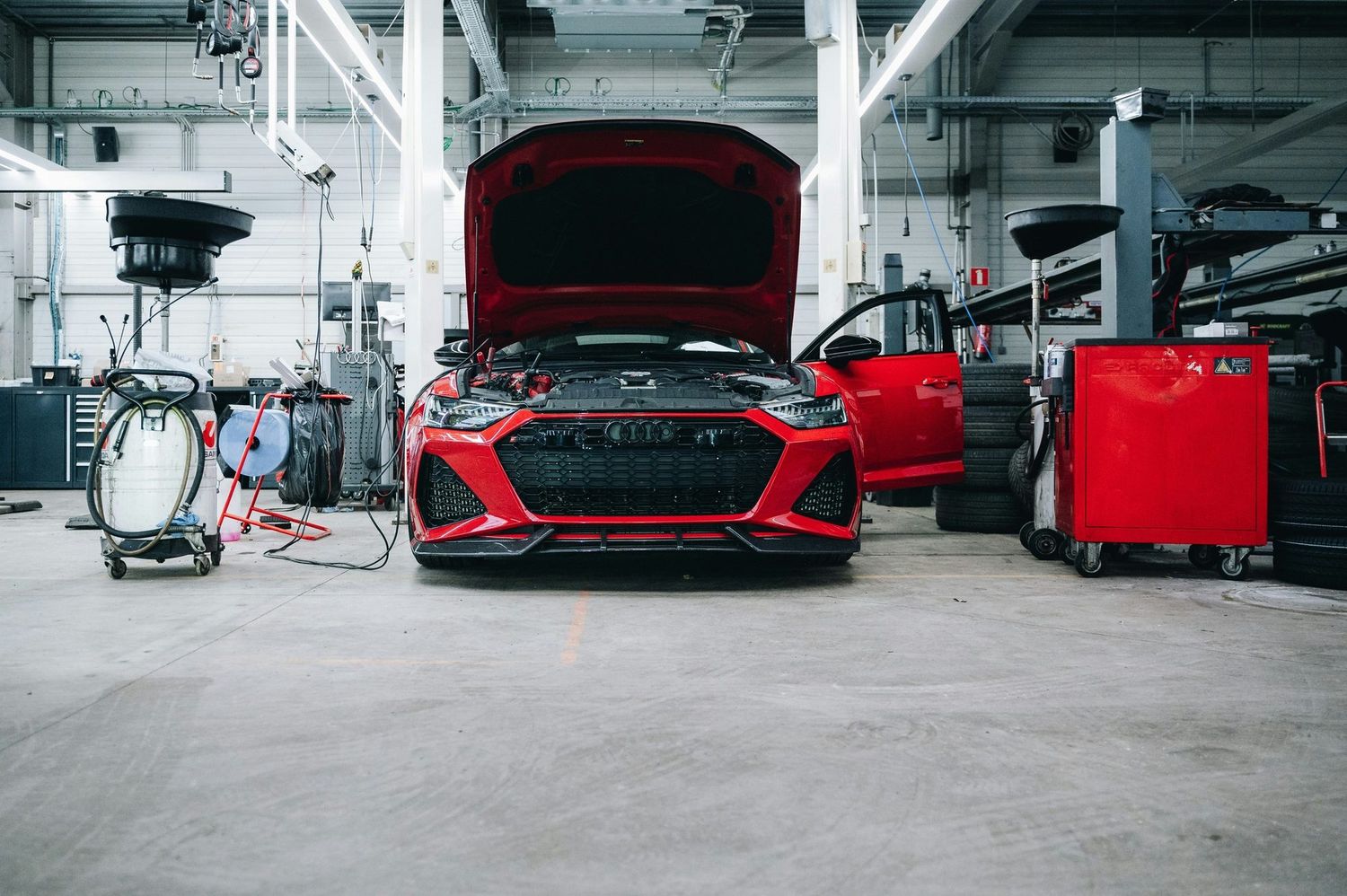
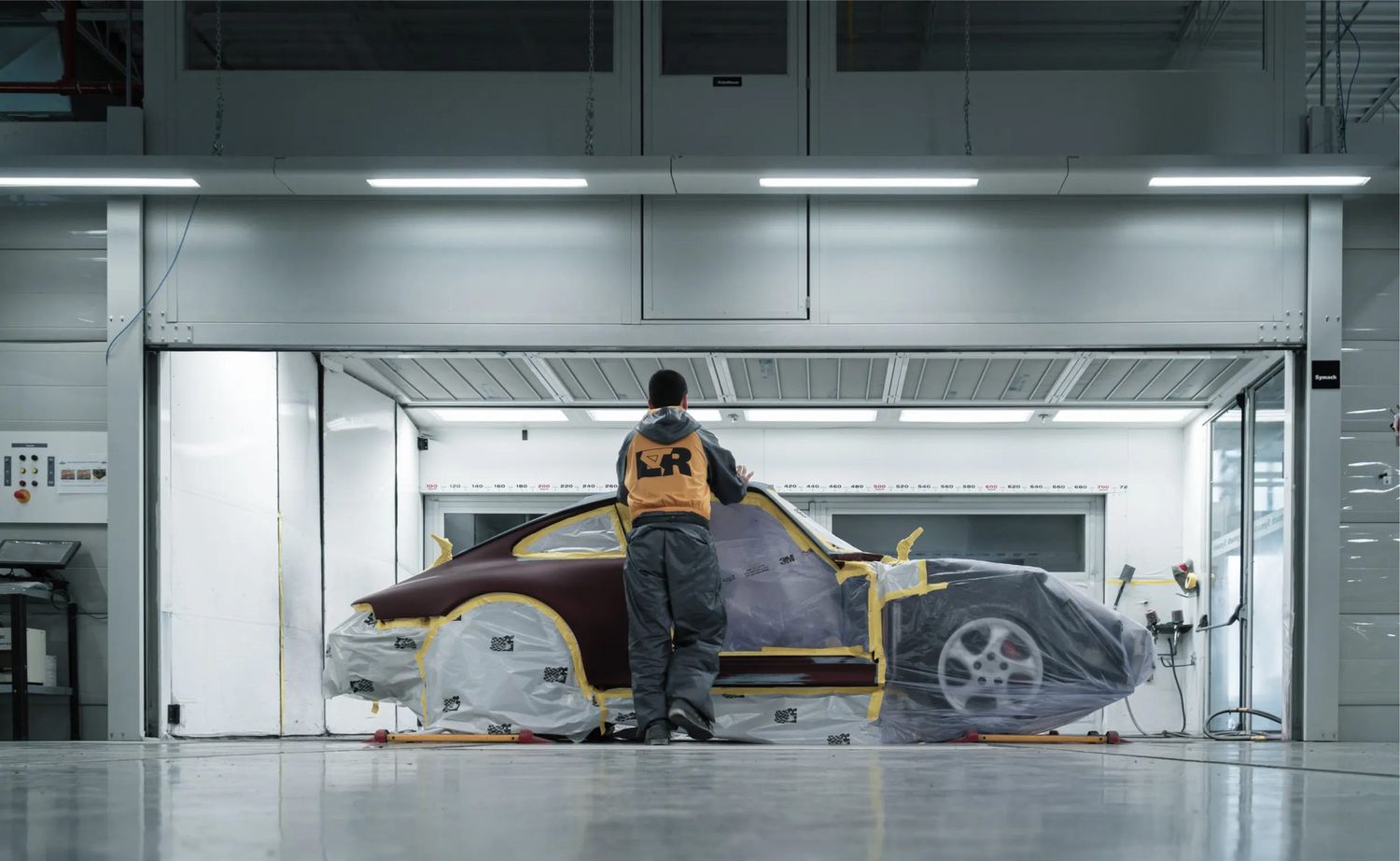
Reference images showing the kind of work involved. Follow our Instagram for current jobs coming through the shop.
Call, text photos, or request an appointment online. We will tell you what to expect before you bring the vehicle in.